Dhamma · Reflection · Statements · Peaceful Communication

Office Of Siridantamahapalaka

Chronological Archive

A Series of Five Dreams: Royal Echoes from the Past

Dream 1: 


The Queen’s Letter and the Past Life Connection In the first dream, I found myself transported to an era long past, during the reign of Queen Victoria. The setting was formal, almost like an archive, where important records were being kept. I observed data analysis reports, meticulously written under a citatory column, much like what one might see in an old newspaper. The subject of the reports was unusual, focusing on the Burmese military. I read through the names of ministers and generals, their biographies carefully documented. The atmosphere was heavy with importance, as though these records held great weight. Amidst the papers, I saw something unexpected — a letter written by Her Majesty Queen Victoria herself. It was a birthday letter, addressed not to a figure from history but to someone who seemed strangely familiar. As I read the letter, I realized that the birthday mentioned did not match my own in this life. Yet, it felt as though the letter was meant for me. Could this be a sign of a connection from a past life? The thought lingered in my mind, a sense that perhaps I had known Her Majesty in another time, another existence.

 Dream 2: 


The King’s Frustration and My Defense In the second dream, I found myself in the presence of a king. He was reviewing a notebook filled with notes and data. I sensed that this data was somehow related to me, though I wasn’t sure how. As the king scrutinized the information, his demeanor changed. His brow furrowed, and frustration built within him. Suddenly, he pointed to the notebook and yelled, "You are a beggar!(Monk)" His words echoed through the space, harsh and accusing. But I stood my ground. I knew the data he had received was wrong, and I felt compelled to defend myself. "I am not a beggar, i am just a monk " I said firmly. My words were calm but resolute, a clear rejection of the king’s misunderstanding. The tension between us hung in the air, but I knew the truth of my own worth, regardless of his misjudgment.

 Dream 3: 


The King’s Offer and the Strain of Obligation In the third dream, the same king appeared again. This time, his demeanor was different, less angry, more thoughtful. He approached me with an offer. He said he could give me financial support if I wished — money or something else I might need. Yet, even as he made the offer, I sensed a pressure weighing on him, as if this gesture was not entirely voluntary but born out of some deeper obligation or tension between us. His offer, though generous, felt heavy, as though there were strings attached, unseen forces at play influencing his actions. I could feel his conflict, and though he was trying to be kind, the pressure in the air made it difficult for me to accept the offer easily. It wasn’t just about money or support; it was about the unspoken bond between us that seemed to be pulling him into this situation. 

 Dream 4: 

The King’s Withdrawal and the Uncertainty of Understanding In the fourth dream, the king once again entered the scene, but this time his attitude was entirely different. He seemed distant, almost disinterested. There was a process, some important matter, in which he had previously been involved, but now he wanted no part of it. He sat back, his face clouded with uncertainty. I could tell that he was frustrated by something he did not fully understand — some key indicator, some crucial detail that escaped his comprehension. Because of this confusion, the king decided to withdraw. He no longer wished to engage in the process, feeling that without a complete understanding, it was better to step away. His decision felt final, as if he had resigned himself to the fact that this situation was beyond his grasp. 

The Fifth Dream

In this dream, my father summoned me to attend a meeting. I arrived at a place where a large gathering of people were already seated, waiting for the meeting to begin. Among them, I too sat, anticipating the arrival of the meeting's president. After a few minutes, the doors opened, and my father entered the room. But as I looked closely, I realized that it wasn't my father—it was His Majesty, the King. The transformation of my father into the King was profound. In this moment, it felt as though a connection between us transcended the present life, as if we were linked as family in a previous existence—father and son, perhaps. This dream stirred deep emotions and evoked a sense of recognition, as if it was revealing something important about the bond we shared, not just in this life, but in lives before. The reason for such a dream, I believe, is not arbitrary. It feels like a message—a concept meant to be conveyed to me, guiding me to reflect on the deeper connections we carry with us through the cycle of rebirth.

Dream Number 7: The Cave of Relics and the Warning of Preservation

One night, in the stillness of my sleep, a familiar presence appeared in my dream — a famous monk, revered by many, though he had passed away a year ago. His face was calm and serene, as it had always been in life. Without speaking, he gestured for me to follow him. 


We walked together, our steps light and purposeful, as he led me towards a mountain. At its base was a cave, dark and ancient, hidden within the mountain’s belly. I could sense the weight of history in the air, the kind that lingers in places long forgotten by the world. 

 At the top of the mountain, I could see the ruins of old stupas, though only their foundation blocks remained. The structures, once grand, had been eroded by time. Yet, their significance was still felt, as if they held a sacred power. Inside the cave, I was surprised to find a large gathering of people. Their eyes were fixed on me and something that glimmered softly in the dim light — relics. These were not just ordinary relics; they radiated with a presence that commanded reverence and awe.

 But soon, the calmness in the cave began to break. People started arguing, their voices rising in heated tension. The air filled with hostility as they debated which nation had the right to claim ownership of the relics. It was as if ancient rivalries had been reignited, and their desire for power and control overshadowed the sanctity of the space. Just as the conflict was about to erupt into violence, the monk raised his hand and spoke. His voice was like a bell ringing through the cave, silencing the chaos. "All of you," he said, "do you even know the moto and principal of these relics?" His question cut through the room like a sharp blade. Everyone stood still, listening intently. "If anyone here tries to step forward in greed or claim ownership, they will pay the price. A hand raised to take what does not belong will be cut off. A foot stepping where it should not tread will be severed. This is the law — the code of preservation and protection.

 The guardianship of these relics is not to be challenged." The weight of his words hung heavy in the air. The crowd seemed to shrink under the warning, understanding the severity of their actions. Suddenly, a princess approached me, her face anxious yet determined. She took hold of my hands and, with urgency in her voice, said, "We have official communication between you and our people. I must be first in priority. Do not forget this." Her request was clear — she sought to secure her place in line, to ensure that her nation’s interests were recognized above all others. 

 As I pondered her words, the monk gently reminded me of my purpose. "There are others waiting for you inside the cave," he said. "You must meet them. This is your first meeting, and they have awaited your arrival for a long time." He guided me further into the cave’s depths, where the light grew dimmer, but the sense of mystery and anticipation deepened. As I stepped into a deeper chamber, I was greeted by an unexpected sight — a Yakkhā, a fierce guardian spirit, appeared before me, his form both menacing and majestic. He showed me his face, as if to mark our encounter, then vanished as quickly as he had appeared. 

Following him came another guardian spirit, an ārakkha devatā, who materialized to acknowledge my presence and the significance of my journey. Finally, a young man appeared. His face was familiar, yet distant, as if from a time long ago. He greeted me warmly, though it was clear this was our first official meeting. There was an air of recognition between us, as if we had been connected for many years, perhaps even from a time when I was still very young. 

This meeting had been long awaited, and now it was finally taking place. Before I could speak, the monk’s voice echoed in my mind. "This is a warning," he said. "The guardians are watching, and the preservation process is in place. If anyone violates the sanctity of these relics, the standard operating procedures will be activated immediately. There will be no hesitation, and the consequences will be swift." I woke from the dream, the monk’s words still resonating within me. It was not just a message for me, but a warning to all — a reminder that sacred things must be protected, and those who seek to disrupt their preservation will face dire consequences. The relics, the cave, the guardians — they were all part of a larger force that existed beyond our understanding, a force that would not be compromised.

Dream Number 6: A Democratic Transition in Peril

One night, I found myself in a dream, standing in the grand hall of a government building. The air was thick with anticipation, the kind that hangs in the room during historic moments. A democratic government was making its official transition — an old president, worn by years in office, stood ready to hand over power to a newly elected leader. The handshake was firm, formal, and broadcasted for all to see. It symbolized the peaceful transfer of power, a hallmark of democracy. The room was filled with dignitaries, officials from both the upper and lower houses, gathered to witness this significant moment. The old president, though tired, carried a sense of relief in his eyes, as if a weight had been lifted. The new president, however, stood stiff and uneasy, their face showing a mixture of pride and burden. The applause that followed the handshake felt hollow, as if those in attendance sensed the uncertainty that lay ahead. As the dream unfolded, I realized this wasn’t just a normal transition of power. This was something bigger, something that affected not just the country but the world. The setting wasn’t an Asian nation; it felt distinctly like a superpower in the West. The architecture, the people, the way they carried themselves — this was a country that had long stood at the top of the global hierarchy. Yet, despite their electoral victory, the new government appeared fragile. The celebration of winning the election quickly faded into the background as the weight of governance set in. I could feel the tremors of the problems they were about to face. A human power shortage gripped the administration — seasoned officials had either retired or resigned, leaving the new government scrambling to fill key positions. There was no longer enough expertise, no longer enough strength to manage the country’s affairs. Financial crises loomed on the horizon, dark and threatening. The economy was on the verge of collapse, and the government’s resources were rapidly dwindling. Even the best economists in the room could not seem to find a way out. The country, once a pillar of global stability, now seemed to be falling apart at the seams. It was as if the very foundation of power was crumbling, and everyone knew it, though no one dared to speak of it. The upper house and lower house, now filled with newly elected representatives, were weak and divided. Their inexperience showed as they fumbled through legislative debates and attempted to pass laws. Every issue, every problem felt insurmountable — from healthcare to education, from energy to national security. And while the new government had won the election, it was clear that victory in the polls did not translate to the capacity to govern. In the dream, I watched as the new president, standing tall before the nation, was slowly weighed down by the enormity of the task ahead. The handshake had marked a peaceful transition, but it had also signaled the beginning of a new era of uncertainty. The country was struggling, and there were no easy answers. The superpower I was witnessing seemed to be entering a period of deep instability. I woke from the dream with a sense of unease, knowing that even the strongest nations are not immune to the challenges of leadership. The dream was a reminder that democracy, while powerful, requires more than just an election to succeed. It requires wisdom, strength, and resilience — qualities that, in my dream, seemed in short supply.

The Vision of His Holiness Pope : A Dream for World Peace

In the stillness of the night, a dream unfolded—a vision that carried a message both profound and unsettling. In this dream, a conflict had erupted, its flames spreading across lands and communities. Amidst the chaos, a nation or group sought to take His Holiness Pope , not as a conqueror might seize a trophy, but in a way that symbolized the fragility of peace itself. The Pope, a symbol of unity, compassion, and peace for the Christian communities and the world, stood at the center of this storm. In my dream, the forces pulling him in represented more than just a political or national struggle. They embodied the world's yearning for peace, yet also its potential to stumble into the depths of conflict. As I watched, I could feel the weight of this moment. The Pope , who had long been a voice for the downtrodden, a beacon of hope for the marginalized, and a respected figure to people of all faiths and cultures, was caught in the tensions of the world. He was a peace agent, not for one faith or one country, but for humanity. His gentle, compassionate spirit reminded us all that peace, once threatened, must be fiercely protected and nurtured. But the dream carried with it a warning—that in times of division, even the most revered symbols of peace could be drawn into turmoil. My heart filled with both hope and fear, yearning for the world to understand the preciousness of peace before it was too late. Yet, I refuse to believe that this dream is destiny. I pray it is a call to action, a message to the world. Pope Francis, and those like him who work tirelessly for peace, must not be dragged into the conflicts of our making. We must listen to their words, honor their efforts, and unite behind their mission of reconciliation and love. We must rise above the conflicts that divide us and see each other through the eyes of compassion. Let this dream, Dream Number 4, serve as a narrative for the future—a plea for peace, understanding, and unity. Let us stand together, as one human family, and ensure that the world remains a place where symbols of peace are cherished, not endangered. May this message reach every corner of the globe and inspire each of us to be agents of peace in our own lives. For in the end, peace begins with each of us. 

Note: His enemy mean The Death !

Dream Number 3 - A Wish for His Majesty the King

In the year 2025, I find myself filled with a deep sense of hope and reverence as I wish His Majesty the King freedom from all physical and mental suffering. May his life be blessed with health and peace, for he embodies the strength and wisdom of a leader who carries the weight of a nation with grace. I have come to know that, in moments of respite, His Majesty chooses to spend his time under the Bodhi Tree—a sacred symbol of enlightenment and tranquility. This gesture resonates deeply with me, for the Bodhi Tree holds a powerful spiritual significance, a reminder of the Buddha’s journey to awakening. Under its branches, the King seeks the same peace and reflection that millions before him have sought—a space where the burdens of the world fall away, and only stillness remains. In my dream, I see His Majesty sitting in meditation beneath the Bodhi Tree. The sunlight filters through the leaves, casting a soft glow around him, as if nature itself is offering its blessings. There is a profound calm in the air, the kind that comes when one is in the presence of something truly sacred. His posture is steady, his breathing peaceful, and his expression serene. It is as though the tree itself imparts wisdom and healing, easing the challenges he faces both as a ruler and as a human being. I wake from the dream with a heart full of gratitude and compassion for His Majesty. I send out a silent prayer that, in the days and years ahead, he may continue to find solace and strength in the sacred spaces he cherishes, and that his journey, like the Buddha’s under the Bodhi Tree, be one of continued awakening, peace, and enlightenment.

My Dream Number 2 - The Buddha Tooth Relics

In my dream, I encountered an old lady who appeared to be from one of the colder, western nations—a figure who exuded a sense of deep wisdom and serenity. Her aura was calm yet powerful, and she carried with her an air of reverence. What struck me most was that in her hands, she held numerous Buddha tooth relics. 


They seemed to glow with a soft, ethereal light, as though they were imbued with the essence of something sacred and timeless. As I observed her, I realized that she was a preserver of these relics, protecting them as though they were the world's most precious treasures. There were so many—perhaps over twenty—each one unique, yet all connected by their divine origins. I felt a deep sense of awe and wonder in her presence, as if I was standing before an embodiment of history, faith, and spiritual power. In the dream, we stood side by side, participating in a public speaking event, something like an interview or a TV show program. As we spoke, I felt a strong connection to her, as though our paths were somehow intertwined by a common purpose. It was as if she had received the same spiritual message as I had, and that our meeting was no coincidence. She showed me the relics with pride and care, and I could sense that these sacred items carried stories, lessons, and blessings meant for the world. There was an unspoken understanding between us. I believed that she, too, might have experienced dreams like mine—dreams filled with messages, signs, and symbols connected to the Buddha’s relics. Our bond in that moment felt timeless, transcending the limits of space and time. I woke from the dream with a feeling of peace, knowing that one day, in this life or another, I might meet her and together we would share the meaning behind those relics and the messages they carry for humanity.

Through Time and Dreams!

From a young age, I found myself in possession of numerous Buddha relics, a gift as unexpected as it was profound. These relics came into my life without warning, and soon after, I began experiencing vivid dreams—dreams that revealed ancient stupas and sacred places linked to the origins of the relics. In some of these visions, I saw in my dream glimpses of past lives, where I seemed to have a deep connection to the very relics in my hands. Other times, the dreams would foretell future events, presenting challenges or moments I had yet to encounter. As time passed, many of these precognitive dreams came true, guiding me in ways I could not have anticipated. This led me to ponder the source of these visions. Were they the result of the relics’ power, perhaps acting as a spiritual guide? Or was it something deeper, an unseen influence steering my path, allowing me to access realms beyond the ordinary, tied to a larger cosmic truth? With each fulfilled dream, my bond with the relics deepened. They seemed to be more than objects of reverence; they carried within them a mystery that transcended time, offering glimpses of both the past and the future. And with that, I continued on my journey, wondering if these sacred relics were not only markers of history but also the keys to unlocking the unfolding story of my own life.

75 Sekhiya Rules

Categorized into three main sections: Proper Conduct in Public, Proper Behavior During Meals, and Teaching and Proper Communication. This chart and table are dedicated to my teacher, whose instruction made this possible. With Respectfully Sao Dhammasami

The Buddha Tooth Relics and Sao Dhammasami

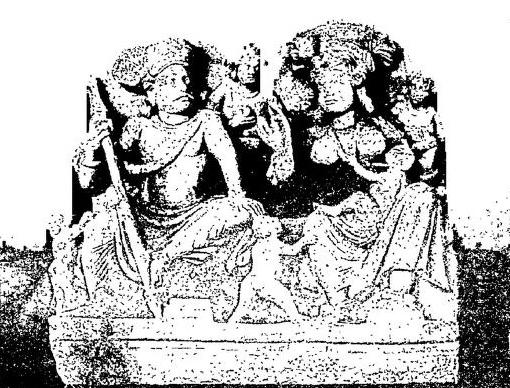
One peaceful night, after receiving a precious Buddha Tooth Relic, Sao Dhammasami sat in quiet meditation. The weight of the ancient relic filled him with a deep sense of reverence and responsibility. That night, as he lay down to rest, a vivid dream swept him into another time, another world. In his dream, Sao Dhammasami found himself standing before an ancient stupa, its structure bearing the distinct style of Gandharan art—elegant, yet weathered by time. The stupa stood tall and majestic, its surface adorned with carvings that whispered stories of devotion and faith. As he moved closer, he could feel an invisible force beckoning him to step inside. He entered the stupa and found himself in a vast, circular chamber. The air felt sacred, and the space inside was illuminated by a soft, ethereal glow. The chamber was large enough for him to walk freely, yet the energy of the place was centered on something grand at the heart of the stupa. Sao Dhammasami’s eyes were drawn to a pedestal at the center of the room, upon which rested two glowing objects. His breath caught in his throat as he realized what they were—two more Buddha Tooth Relics, their presence radiant, filling the space with a divine aura.
The relics shimmered in the dim light, their brilliance beyond the material world. They seemed to pulsate with an ancient energy, as if they held the wisdom of countless ages. Sao Dhammasami could feel their significance; these relics were not mere artifacts, but living symbols of the Buddha’s eternal presence. They had found their way here, to him, through a mysterious and sacred connection. Beside the relics lay an ancient coin or medallion, its surface worn yet unmistakably precious. The coin seemed to be from the Kushan dynasty, a time long past but forever linked to the spread of Buddhism. Sao Dhammasami could see the image of a ruler on one side, regal and dignified, while the other side bore a sacred symbol—a deity or a representation of faith. This coin, too, held a story, perhaps one of a time when kings and emperors sought to align their rule with the divine teachings of the Buddha.
As he stood before these relics, Sao Dhammasami felt a powerful message within the dream. The two Buddha Tooth Relics were destined to come into his care, just as the first had. The ancient stupa, the shining relics, and the Kushan coin all pointed to a destiny woven by the hands of history and karma. It was a sign, a vision of what was to come. The dream lingered as Sao Dhammasami woke, the vivid details still fresh in his mind. He sat in silence, contemplating the profound vision. The Buddha Tooth Relics had a journey of their own, and they were destined to be with him, their guardian. The ancient coin, a relic from a time when Buddhism flourished across empires, was a reminder of the sacred responsibility he bore.
In the days that followed, Sao Dhammasami carried the dream with him, knowing that it was not just a product of the night but a message from a higher realm. The relics would come, and with them, the ancient wisdom that transcends time, guiding him and those who would come to honor the sacred remains of the Buddha.

အမှာကံ ဗုဒ္ဓဓာတုဿ ဂန္ဓကုဋိသ္မိံ အာရက္ခ ပုဂ္ဂလာ.....

Amhākaṃ buddhadhātussa gandhakuṭismiṃ ārakkha puggalā, ārakkha bhikkhū, ārakkha devatā, nāgā, supaṇṇā, kumbhaṇḍā, yakkhādi puggalā ca averā hontu, abyāpajjā hontu, anīghā hontu, sukhī attānaṃ pariharantu, dukkhā muccantu, yathāladdhasampattito māvigacchantu, kammassakā. အမှာကံ ဗုဒ္ဓဓာတုဿ ဂန္ဓကုဋိသ္မိံ အာရက္ခ ပုဂ္ဂလာ, အာရက္ခ ဘိက္ခူ, အာရက္ခ ဒေဝတာ, နာဂါ, သုပဏ္ဏာ, ကုမ္ဘဏ္ဍာ, ယက္ခာဒိ ပုဂ္ဂလာ စ အဝေရာ ဟောန္တု၊ အဗျာပဇ္ဇာ ဟောန္တု၊ အနီဃာ ဟောန္တု၊ သုခီ အတ္တာနံ ပရိဟရန္တု၊ ဒုက္ခာ မုစ္စန္တု၊ ယထာလဒ္ဓသမ္ပတ္တိတော မာဝိဂစ္ဆန္တု၊ ကမ္မဿကာ။

Conflit Resolution Methodology

ဘုရားရှင်ရဲ့တရားကို ဘယ်လိုလူမျိုးမဆို ထိတွေ့ကျင့်သုံးခွင့်ရတယ် ခွဲခြားထားတာမျိုးမရှိဘူး အခွင့်ရေးတန်းတူရကြတယ်။ ဘုရားရှင်ဟာ diversityကိုလက်ခံတယ် inclusive ဆိုတာကိုသိပ်ကြိုက်တယ် Non discrimination ကို Promote ပြုတော်မူတယ်။ ဒါဟာ ကမ္ဘာကြီးကအခု တလောလူပြောသူပြောများနေတဲ့ Human Rights and Peace Building ဆိုတာပါပဲ အရာရာတိုင်းက တူညီနေမှာတော့မဟုတ်ဘူး မတူညီဘူးဆိုတာကို လက်ခံဖို့လိုတယ်။ We are difference, သို့ပေတည့် ဓမ္မအမြင်နဲ့ ရူမြင်သုံးသပ်တဲ့အခါ တူညီတဲ့ ကိလေသာ အာရုံတွေ အပေါ် စရိုက် ဘာသာ သဘာ၀ အရတုန့်ပြန်တာတွေ တစ်ဦးနဲ့တစ်ဦး မတူကွဲပြားခြားနားကြပါတယ်။ မတူညီတဲ့အရာတွေအပေါ်မှာ အခွင့်အရေးတန်းတူပေးဖို့လိုမယ် ဆိုတဲ့ စိတ်နဲ့ မြတ်စွာဘုရားရှင်ကိုယ်တော်မြတ်ကြီးဟာ ကမ္မဌာန်းနည်းတွေ အမျိုးစုံကို နည်းပြတော်မူခဲ့ပြီး ခွဲခြားဆက်ဆံတာမျိုးမလုပ်ခဲ့သလို Conflit Resolution Methotology ဆိုတာကြီးကို လှလှပပ ဟောပြတော်မူလေတယ်။ အတွင်း အပြင် အတွင်း အတွင်း ကြားထဲ ဖြစ်ပေါ်တတ်တဲ့ ဓမ္မသဘာ၀တွေကို ဗောဓိ ပက္ခိယ ဆိုတဲ့ ခေါင်းစဉ်အောက်မှာ Sub Title တွေအလိုက်ထည့်ကြည့်လိုက်တာ ခြံရံရမဲ့ သဘောတွေ လုံ့လပြုရမဲ့အရာ အားတင်း တွန်းတိုက်မူပေးရတာတွေ စသည်စသည်.... ကျေးဇူးများမြောင် တော်မူသော အဆုံးအမတော် တို့ မူလပိုင်ရှင် ဖြစ်တော်မူငြား ထိုဘုရားအား ရိုသေမြတ်နိုးရှိခိုးပါ၏ ဘုရား

ဤကျမ်းကိုမလေ့လာမီ ရှေးဦးစွာ သတိပြုသင့်သော အကြောင်းအရာ

တိဋ္ဌန္တေ နိဗ္ဗုတေ စာပိ၊ သမေ စိတ္တေ သမံ ဖလံ။ စေတော မဏိဓိ ဟေတူဟိ၊ သတ္တာ ဂစ္ဆန္တိ သုဂ္ဂတိ။ တိဋ္ဌန္တေစ၊ သက်တော်ထင်ရှား ရှင်တော်ဘုရား၌ လည်းကောင်း။ နိဗ္ဗုတေစာပိ၊ နိဗ္ဗာန်ဝင်သွား ရှင်တော် ဘုရား၌လည်းကောင်း၊ စိတ္တ၊ စိတ်စေတနာသဒ္ဓါတရား သည်။ သမေ၊ တူမျှသည်ရှိသော်။ ဖလံ၊ အကျိုးသည်။ သမံ၊ တူမျှသည်။ ဟောတိ၊ ဖြစ်၏။ စေတော ပဏိဓိ ဟေတူဟိ၊ စိတ်စေတနာကို တူစွာထားနိုင်ခြင်းဟူသော အကြောင်းတို့ကြောင့်။ သတ္တာ၊ သတ္တဝါတို့သည်။ သုဂ္ဂတိ၊ သုဂတိဘဝသို့။ ဂစ္ဆန္တိ၊ လားရောက်ရကုန်၏။ (က) သက်တော်ထင်ရှား မြတ်စွာဘုရား။ (ခ) နိဗ္ဗာန်ဝင်ပြီးသော မြတ်စွာဘုရား။ ဤနှစ်မျိုးသော ဘုရားရှင်တို့အား ကိုးကွယ် ဆည်း ကပ် ပူဇော်မှုကို ပြုကြရာ၌ စိတ်စေတနာ သဒ္ဓါယုံကြည် မှုကို တူညီအောင်ထားကြရမည်။ မြတ်စွာဘုရား ခန္ဓ ပရိနိဗ္ဗာန် ဝင်စံရုတ်သိမ်း၍ ချုပ်ငြိမ်းတော်မူသွားသော် လည်း ကိုယ်စားတော်ဘုရားရှင်တို့ အထင်အရှား ကျန် ရှိနေသေးသည် ဖြစ်သောကြောင့် သက်တော်ထင်ရှား ကိုယ်တော်တိုင်အလားကဲ့သို့ စိတ်ထားတူမျှ အာရုံပြုကြ ပြီးလျှင် ကိုးကွယ်ကြ၊ ဆည်းကပ်ကြပါမူကား တူညီစွာ အကျိုးခံစားခွင့်ရှိကြောင်း ဖော်ပြသော ဒေသနာတော် ကို ယုံကြည်စွာ နှလုံးပိုက်ကြရမည်။ ဗုဒ္ဓရှင်တော်မြတ် ပရိနိဗ္ဗာန် ဝင်စံတော်မူပြီး သည့်နောက် ဘုရားရှင်၏ သရီရဓာတ်တော်များကို အဇာတသတ်မင်း စေတီတည်ထား ကိုးကွယ်လျက်ရှိရာ သီတင်းသည်မ တစ်ယောက်သည် ၄င်းဓာတ်တော်များ ကို ကြည်ညိုစွာအာရုံပြုလျက် ထက်သန်သော သဒ္ဓါ တရားဖြင့် ပန်းများဖြင့်ပူဇော်ရန်သွားခိုက်တွင် စေတီ တော်သို့ မရောက်မီ နွားဝှေ့သောအန္တရာယ်ကြောင့် ယင်းဘဝမှစုတေ၍ ဓာတ်တော်များအား ပူဇော်ရန် သွားသော စိတ်စေတနာ သဒ္ဓါတရားကြောင့် တာဝတိံ နတ်ပြည်၌ ပီတဝိမာနပိုင်ရှင် နတ်သမီး ဖြစ်ရလေ သာပြီ။ ဤအတ္ထုပ္ပတ်ကြောင့် ညွှန်ပြခဲ့သော “တိဋ္ဌန္တေနိဗ္ဗူ တေစာပိ စသော ဒေသနာတော် ဖြစ်ပေါ်ရပေသည်။ ဤသို့ သက်တော်ထင်ရှား ဘုရားမရှိသော်လည်း သက်တော်ထင်ရှားဘုရားကဲ့သို့ စိတ်စေတနာ သဒ္ဓါ တရား တူညီစွာထားနိုင်ဖို့ အရေးကြီးပါသောကြောင့် ရှေးဦးစွာ ဤစာတမ်းဖြင့် သတိပေးရခြင်း ဖြစ်ပါ သတည်း။

အသမ္ဘိန္န ဓာတ်တော်ခုနစ်ဆူ

ဥဏှီသံ စတာ ဒါဌာ၊ အကွကာ ဒွေစ ဓာတုယော။ • အသမ္ဘိန္နာ ဣမာ သတ္တ၊ သေသာ ဘိန္နာဝ ဓာတုယော။ ဥဏှီသံ - သင်းကျစ်တော်၄င်း၊ စတာဒါဌာ - စွယ်တော်လေးဆူတို့၄င်း၊ ဒွေအကွကာ … - ညှပ်ရိုးတော်နှစ်ဆူတို့၄င်း၊ သတ္တ - ခုနစ်ဆူကုန်သော၊ ဣမာဓာတုယော - ဤဓာတ်တော်တို့သည်၊ အသမ္ဘိန္နာ သေသာ ဓာတုယော ဘိန္နာဝ - မကွဲမပြိုသော အသမ္ဘိန္နဓာတ်တော် တို့တည်း၊ - ကြွင်းကုန်သော၊ - ဓာတ်တော်တို့သည်၊ - ပြိုကွဲကုန်သည်သာလျှင်တည်း။ သင်းကျစ်တော်၊ ညှပ်ရိုးတော်များတည်ရာ ဥဏှီသံ သီဟဠဒီပေ၊ ဗြဟ္မလောကေ ဝါမကံ။ သီဟဠေ ဒက္ခိဏက္ခဥ၊ သဗ္ဗပေတာ ပတိဋ္ဌိတာ။ ဥဏှီသံ - သင်းကျစ်တော်သည်၊ သီဟဠဒီပေ - သီဟိုဠ်ကျွန်း၌၊ ဝါမကံ - လက်ဝဲညှပ်ရိုးတော်သည်၊ ဗြဟ္မလောကေ- ဗြဟ္မာပြည်၌၊ ဒက္ခိဏက္ခဥ - လက်ျာညှပ်ရိုးတော်သည်လည်း၊ သီဟဠဒီပေ - သီဟိုဠ်ကျွန်း၌၊ တာသဗ္ဗာ - ဤအလုံးစုံသောဓာတ်တော်တို့သည်၊ ပတိဋ္ဌိတာ - တည်ကြကုန်၏။

ဓာတုသာသနာကွယ်ပုံ

ဓာတ်တော်မွေတော် ကြွင်းပါသော်လည်း၊
 ချွတ်ချော်သာသနာ နောင်သောခါဝယ်၊ 
ရှိန်ဝါပျက်ကြွေ ကွယ်ပချေသော်၊ 
ထွေထွေရပ်နယ် ဓာတ်သွယ်သွယ်လည်း၊ 
ကိုးကွယ်ကြမည့် လူမရှိ၍၊ 
ဗောဓိပင်မှာ စုပေါင်းကာဖြင့်၊ 
ရောင်ဝါလွှတ်ပြီး ရွှေတုံးကြီးသို့၊ 
ဓာတ်မီးလောင်တောက် ကုန်ဆုံးပျောက်က၊ 
လာရောက်ကြရှာ နတ်ဗြဟ္မာတို့၊ 
သာသနာဗုဒ္ဓ ယခုမှပင်၊ 
မုချအတည် ကွယ်ရပြီဟု၊ 
ငိုမြည်းတမ်းတ သံဝေဂဖြင့်၊ 
မရယူကြုံး ကိုယ်စိတ်ချုံးသည်၊ 
နောက်ဆုံးသာသနာပွဲတော်ပါဘုရား။


Breaking Through Personality-View Through Understanding Form(ရုပ်ကို နားလည်ခြင်းဖြင့် သက္ကာယဒိဋ္ဌိ ကျော်လွှားခြင်း)

Isn't there wrong attention (micchā manasikāra) regarding persons and beings upon the aggregates? Think about it.

In seeing, hearing, smelling, tasting, touching, and knowing, #the_aggregates_are_present.

If you understand these aggregates clearly and precisely, the wrong views of clinging to humans, devas, and brahmas will fall away. #Understanding_aggregates_is_necessary.

What is seen is covered by perception (saññā). When doubt about perception is cleared, uncertainty disappears. What is seen is just visible form (rūpa-dhātu), but perception mistakes it for princes and princesses. Isn't this mistaking marks on medicine bottles?

Wrong perception is saññā-vipallāsa
Wrong knowing is citta-vipallāsa
Wrong view is diṭṭhi-vipallāsa

Personality-belief (sakkāya-diṭṭhi) arises due to wrong perception, wrong knowing, and wrong view. Therefore, what is seen is covered by perception, and doubt will only clear when perception is investigated.

When looking through the lens of wisdom at visible form:
Are you seeing a person or just visible form?
Are you seeing a deva or just visible form?
Are you seeing a brahma or just visible form?
#You_see_only_form - isn't this worth investigating?

When you truly see only visible form:
Do you still find a person?
Do you still find a deva?
Do you still find a brahma?
Do you still find princes and princesses?

Why don't you find them? Because they don't exist.
For one who truly sees and knows they don't exist,
Can they still cling? How can they cling when #there_is_nothing_to_cling_to?

Isn't this worth examining? Let's study this...

Breaking the cycle of suffering

"For those studying Vipassana and Path knowledge, isn't it worth asking what teachings the Mogok Sayadaw gave to Nakulapita and Nakulamata?

Nakulapita, being over 70, couldn't sit, stand, walk, or lie down for long. He requested appropriate teachings. The Buddha taught: 'Let the body be ill but not the mind.'

The 'body' here doesn't just mean limbs, but #refers_to_the_five_aggregates_which_are_signless_and_impermanent. When meditating, don't various sensations arise - stiffness, aches, heat, cold, itching?

Is this #self_or_physical_phenomena? #These_are_physical_phenomena_appearing. Isn't this taught as rūpakkhandha?

In truth, is it stiffness or change? Pain or change? Aching or change? #Not_stable_for_even_a_second_in_the_aggregates - just constant change.

Didn't the Buddha teach that in the blink of an eye, a hundred thousand koṭi arise and pass away? How incredibly fast!

When there's change, #don't_we_experience it? 'Oh, it hurts so much!' Is this a person's feeling or just feeling (vedanā)? God's feeling or just feeling? Brahma's feeling or just feeling? Just feeling. #Is_it_substantial?

When someone says 'You're crying out too much, just endure it,' don't we say 'It hurts!'? When asked where, don't we say 'stomach pain'?

Think carefully - when you check, #do_you_find_stomach_or_softness? If all softness were stomach, wouldn't everything soft have to be called stomach? Can this be so?"

"Looking at the three Piṭakas collectively, aren't the five aggregates taught? Rūpakkhandha, vedanakkhandha, saññakkhandha, saṅkhārakkhandha, viññāṇakkhandha.

When searching for 'stomach', what's found - #stomach_or_saññakkhandha (perception)? It's perception.

When children are born, do they come with names? Parents give names. #If_you_search_for_these_names_physically_can_you_find_them? No.

#Saññakkhandha_gives_names. Therefore, it's the manager of marking/noting. Is saññakkhandha self (atta) or non-self (anatta)? If it's non-self, how could it give names alone?

Doesn't it need feeling (vedanā) as co-arising factor? Doesn't it need volition (cetanā) that conditions? Doesn't it need consciousness (viññāṇa) that knows?

#By_nature_it's_empty_phenomena_non-self. It can't name anything by itself. Only when feeling, volition, and consciousness arise can naming happen. So is it stomach or perception?

When someone says 'Shouldn't you apply some medicine?' Yes, #shouldn't_we_adjust_with_wisdom? Is the adjusting done by self or by volition (cetanā)? #It's_cetanā. Do we find stomach or cetanā? Only cetanā is found.

When there's change, isn't it known? When feeling, isn't it known? When marking, isn't it known? When prompting, isn't it known? #The_knowing_is_consciousness. These are the #five_aggregates. This is what's called 'body'. That's why 'Let the body be ill but not the mind.' Isn't this worth studying?"

"Is that crying out a person, a deva, or a brahma? #It's_vedanā. Isn't it taught as consciousness, mind-matter, six sense bases, contact, feeling?

When we label it vedanakkhandha, aren't other aggregates co-arising? #What's_prominent_is_vedanā. When we know it's vedanā, we might think 'person' but find vedanā, think 'deva' but find vedanā, think 'brahma' but find vedanā. Is vedanā taught as sakkāya (personality belief)?

#Do_we_find_actual_humans? Devas? Brahmas? Who proves they don't exist? (Vedanā proves it, Lord). Ah, vedanā is sakkāya. Isn't it clear? #Doesn't_wrong_view_fall_away?

When wrong view falls away, will we still believe in creation by Great Brahmas, Eternal God, or Vishnu? #Doesn't_doubt_cease? Isn't it taught that the āsavas of wrong view and ignorance cease?

When vedanā ceases, do we find vedanā or its absence? We find its absence.

#We_don't_find_vedanā_itself. Do we find vedanā or anicca? Isn't it taught as the characteristic of impermanence as suffering, characteristic of suffering as suffering, characteristic of non-self as suffering?

When we find impermanence, do we still find vedanā? When we find suffering, do we find vedanā? When we find non-self, do we find vedanā? #No_owner_exists.

If there's no owner, #can_we_command 'Don't feel pain, I don't like it'? #We_experience_it_because_there's_no_owner.

This is #the_nature_of_non-self, isn't it taught?

Don't we need to distinguish between impermanence and vedanā? Between suffering and vedanā? Between non-self and vedanā? This is #tīraṇa_pariññā (full understanding by investigation).

When finding impermanence, suffering, and non-self, do we find vedanā? Perception? Volition? Consciousness? Form? We only find impermanence, suffering, and non-self.

When finding vedanā, do we find persons or beings? This is #ñāta_pariññā (full understanding of the known).

When we combine impermanence, suffering, and non-self, isn't it taught as arising and passing away? Is this happiness or suffering? Isn't this worth knowing truly? This is #yathābhūta_ñāṇa (knowledge of things as they really are)."
"Isn't it taught that when Dhamma is lost, search in the body, and when searching in the body, Dhamma is found? Is what's found happiness or suffering? Now you truly know it's suffering.

When you know it's suffering, does the wrong perception (avijjā) of human happiness, deva happiness, or brahma happiness cease or not? Avijjā ceases.

#When_the_root_falls_don't_the_branches_wither? As the great teachers taught.

Avijjā (ignorance), taṇhā (craving), upādāna (clinging) - aren't these taught as kilesa vaṭṭa (cycle of defilements)? If avijjā ceases among these three, will taṇhā come? Will upādāna come? Will kamma come?

See, when the root falls, the branches wither. Will there be future aggregates? No more.

Then #can_2_still_lead_to_3? No more. Isn't this worth studying?"


"On Amazon.com, you can find and order the book The Law of Dependent Origination, which is currently available for free as part of a promotion. To locate it, simply type 'The Law of Dependent Origination' in the search bar. The book was written by Bhikkhu Indasoma Siridantamahāpālaka, the founder of Hswagata Buddha Tooth Relics Preservation.

How to training students for get well being?

The Past Causal Continuum

"The Past Causal Continuum" is a forthcoming ebook that simplifies complex concepts through flow charts, mind maps, and visual aids. By visualizing connections between causes and effects, the book aims to make intricate ideas more accessible and engaging. The content, currently being refined for clarity and coherence, will be available by the third week of September. This practical guide goes beyond theory, empowering readers to grasp and apply the concepts in their own learning journeys. I am dedicated to delivering a high-quality and effective final product.
Set for completion by the third week of September, this ebook will also be available on Amazon. My first ebook, The Law of Dependent Origination, was successfully displayed on Amazon, and I am excited for The Past Causal Continuum to become my second publication there. As I refine the content, I am committed to ensuring that this book meets the same high standards, providing readers with practical insights that they can apply in their own learning journeys.